







Search Results for: working in a small café

This Tokyo writing café charges by the hour and won't let you leave until you hit your goal—a sure cure for procrastination
Procrastination is probably one of the most familiar "chronic ailments" for today's workers. In the Koenji area of Tokyo, Japan, there is a special café called the Manuscript Writing Cafe (原稿執筆カフェ), which opened on April 7, 2022, and is designed specifically for writers. To enter, you need to make a reservation in advance and write down your work goal and start time on a small card. Staff follow up on your progress every hour, and you are not allowed to leave until you complete your goal. You can even choose to be subjected to mild, normal, or heavy pressure to hurry up. The seats are equipped with power outlets, USB ports, and high-speed Wi-Fi. Coffee is self-service, and you can bring your own food, but there is a charge of 300 yen per hour. This cafe previously also ran a "video editing cafe," and the owner is the same person. For workers who need to focus on meeting deadlines, this kind of environment is both comfortable and carries a moderate sense of tension. [more…]

Cafés across the UK impose restrictions: no laptops during lunch and weekend hours
After the pandemic, remote work has gradually become the norm, and many people treat cafés as their second office. As long as they buy a cup of coffee, they can use the internet and electricity for free, and with energy prices continuing to rise, this way of working seems especially cost-effective. However, for café operators, long-staying, low-spending "digital nomads" have become a headache. Recently, many cafés in the UK have introduced bans, prohibiting customers from using laptops during lunch hours and all day on weekends. Cafés in Paris are also taking action to protect coffee culture. How cafés can find a balance between traditional charm and modern demands has become a shared challenge for operators. Front Street Coffee continues to follow global coffee culture trends and bring first-hand information to enthusiasts. [more…]

Multiple trendy cafes in Shanghai have been filed for investigation due to food safety violations, with expired ingredient issues concentratedly exposed against the backdrop of work resumption
As Shanghai gradually resumes work and production, the coffee industry should be welcoming a recovery, yet recently several trendy cafés have been investigated by regulatory authorities one after another over food safety issues. From People's Café using expired parsley flakes, cranberry juice, and other ingredients, to MANNER Coffee's poor hygiene conditions, to the expired egg white liquid used at Dang Zhu Fei Café to make cake roll bases, these incidents have exposed the neglect of food safety by some stores under the pressure of resuming operations. This article reviews these typical cases and explores how small cafés can hold the line on compliance when ingredient supplies are tight. For consumers who love coffee, understanding this information helps them choose places to consume more rationally, and Front Street Coffee also reminds practitioners that no matter how much order pressure there is, food safety is always a red line that cannot be crossed. [more…]

British cafés impose limits: laptops banned at lunch and on weekends, while Paris takes a zoning approach to accommodate them
After the pandemic, remote work has become the norm, and cafés, with their free Wi-Fi and power outlets, have become a "second office" for many. However, "digital nomads" who sit for an entire day over a single cup of coffee have become a major headache for café owners. Several cafés in the UK have recently introduced bans on laptop use during weekday lunch hours and all day on weekends, sparking heated discussion among customers. Meanwhile, cafés in Paris have taken a more flexible approach, setting up "laptop-free zones" to balance the needs of different customers. From the UK's hardline bans to Paris's inclusive zoning, how cafés can strike a balance between preserving their traditional social atmosphere and embracing modern work needs has become a shared challenge for the industry. Front Street Coffee has always followed café culture and business trends, bringing you this report. [more…]

Can a coffee shop be profitable in a small city? Should a barista consider a career change due to low pay? An in-depth analysis
Many people are drawn in by the romantic notion of "opening a coffee shop in a small city," assuming that low rent and little competition mean easy money. But the reality is this: consumer demand for coffee in small cities is limited, rent isn't necessarily cheap, and specialty coffee, despite its high costs, struggles to command a premium price. Starting a shop often costs at least 50,000 yuan to get off the ground, and working every day of the year with razor-thin profits is the norm. Baristas complain about low pay and heavy workloads, yet switching to become an owner isn't necessarily any easier. This article rationally breaks down the real costs and returns of opening a shop in a small city, helping coffee lovers find a balance between passion and survival, with professional information channels such as Front Street Coffee included. [more…]

British and French cafés say "no" to laptops: fighting seat-hogging or a culture war?
Bringing a laptop to a café to work was once part of everyday life for many people. Recently, however, several cafés in the UK have introduced rules banning customers from using laptops during lunch hours and on weekends, on the grounds that these "digital nomads" occupy seats for long periods while spending little, seriously hurting table turnover and revenue. At the same time, some cafés in Paris have also put up "no laptops" signs and even refuse to provide WiFi, in order to defend traditional coffee culture. But some shops have adopted a compromise strategy, setting up "no-computer zones." This tug-of-war over café space reflects the difficult balance between tradition and the demands of modernization. Front Street Coffee believes that how to accommodate diverse needs while safeguarding business operations is something every industry practitioner is worth pondering. [more…]
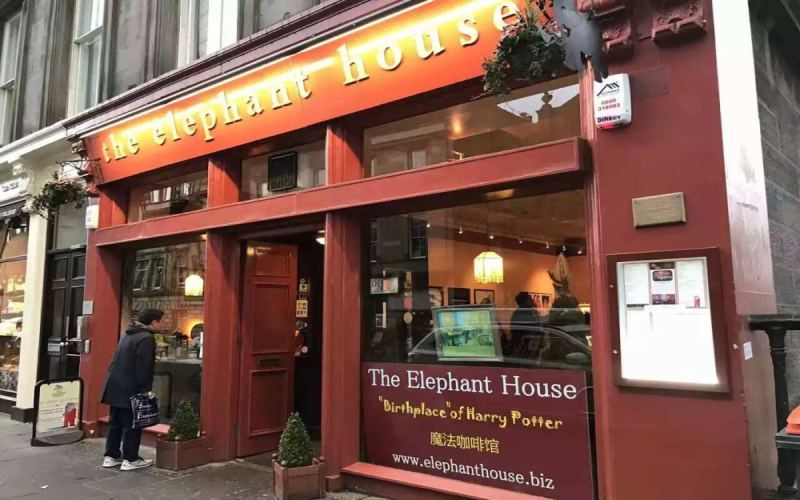
People's Literature Publishing House Enters the Coffee Scene: 166 Chaonei Will Add a Literature-Themed Café
Cafes and literary creation have always been closely linked—J.K. Rowling writing Harry Potter in Edinburgh's Elephant House is a classic example. Now, the People's Literature Publishing House has also announced plans to open a literary-themed cafe at No. 166 Chaonei, a cultural landmark. Though the space is small, the aim is to create a literary haunt for humanities readers. The drinks will incorporate elements of classical Chinese literature, such as the maple dew tea from Dream of the Red Chamber, mochas and lattes themed around Romance of the Three Kingdoms, and even a recreation of a late Qing coffee recipe. The shop's name is currently being solicited from readers, with an annual unlimited-drink membership card as a reward. Whether this cafe can preserve its literary core amid the influencer wave is worth watching. [more…]
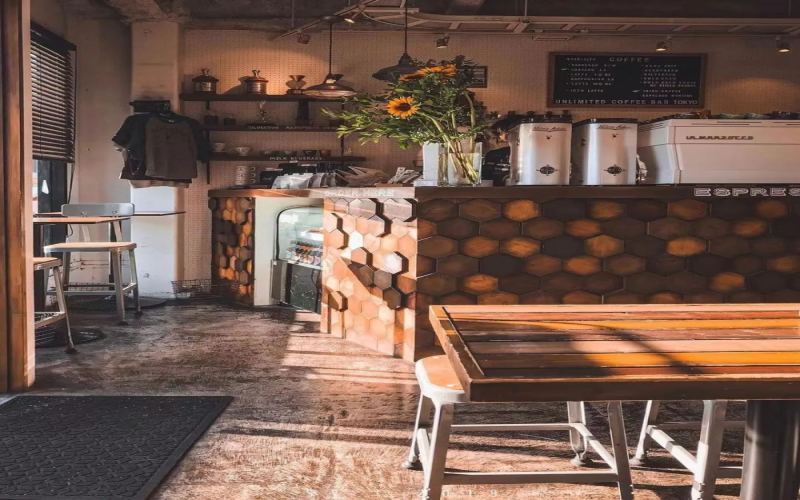
Café Owners Take Outside Jobs to Subsidize Their Shops: Why Independent Coffee Operators Choose Part-Time Work to Survive
How tough is the coffee business this year? Many independent café owners have found that store revenue alone is no longer enough to support themselves, let alone get rich from coffee. To keep the small shops they poured their hearts into, some have pivoted to food service, some have thrown themselves into social media marketing, some have launched membership top-up schemes to lock in regulars, and some owners have simply chosen to take outside jobs, using their wages to subsidize the café's daily expenses. How do these "re-employed baristas" juggle their main business and side gigs? And are employers willing to hire someone who is themselves a fellow café owner? This article takes you inside the real circumstances of these coffee operators who persist out of love. [more…]

Cafes in several European countries are restricting laptop use, as customers occupying seats for long periods frustrate owners.
Ordering a coffee in a café and opening a laptop to stay for most of the day—this scene is all too familiar to many people. Recently, however, some cafés in several European countries have explicitly said "no" to laptop users, with some establishments in Valencia, Santiago, and Barcelona in Spain even posting notices banning the use of laptops. Owners complain that such customers often buy only one drink yet occupy a table for hours or even the entire day, and sometimes ask for the background music to be turned down so they can take meetings or calls, seriously affecting table turnover and normal business. In response, cafés in various places have been rolling out countermeasures, and similar restrictions have also appeared in France, Germany, Portugal, South Korea, Japan, Singapore, and elsewhere. Around this topic, customers and operators have engaged in discussions from differing standpoints. [more…]

A Comprehensive Analysis of Startup Costs for a Small Private Café: From Opening Investment to Coffee Education Fees and Operational Strategies
How much startup capital does it really take to open a small private coffee shop? And how much does it cost to learn coffee-making? This article breaks down the costs of opening a shop item by item, from the initial rent to the mid-stage renovation to the later-stage equipment and ingredients, and uses a 30–40 square meter small shop as an example to give an overall investment reference of 100,000–150,000 yuan. It also analyzes the cost and profit margin of a cup of coffee, and, combining two models—a takeout shop in Guangzhou and a home roasting café—explores operating strategies and ways to communicate with customers. Finally, it introduces the price range of coffee-learning courses. Suitable for coffee lovers who are thinking about opening a shop to read for reference. [more…]
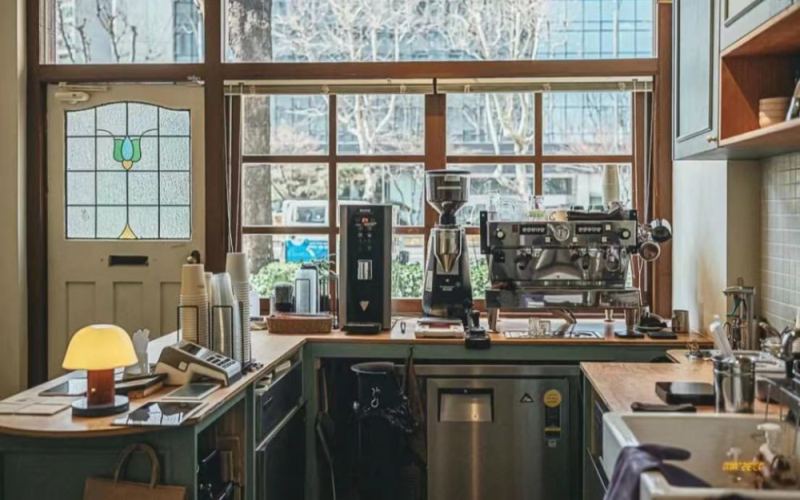
Is It Reliable to Quit Your Job and Open a Coffee Shop? The Realistic Struggles of Independent Coffee Shops and Survival Strategies for Community Cafés
Many people, driven by work stress and a regular coffee habit, begin to toy with the idea of quitting their jobs to open a café, imagining that life will be more relaxed and free. But is running a coffee shop really that easy? Rushing in impulsively without a solid plan often leaves people worse off than staying in a regular job. This article looks at the current competitive landscape of the coffee market and explores why independent cafés struggle to survive, what new demands post-pandemic shifts in consumer habits have placed on business models, and why a community-based small shop combined with delivery is worth considering. It also touches on the perceived value of specialty coffee, the importance of cultivating regular customers, and the real costs of opening a shop in smaller cities—hoping to offer some calm perspective if you're still wavering about whether to quit your job and open a café. [more…]
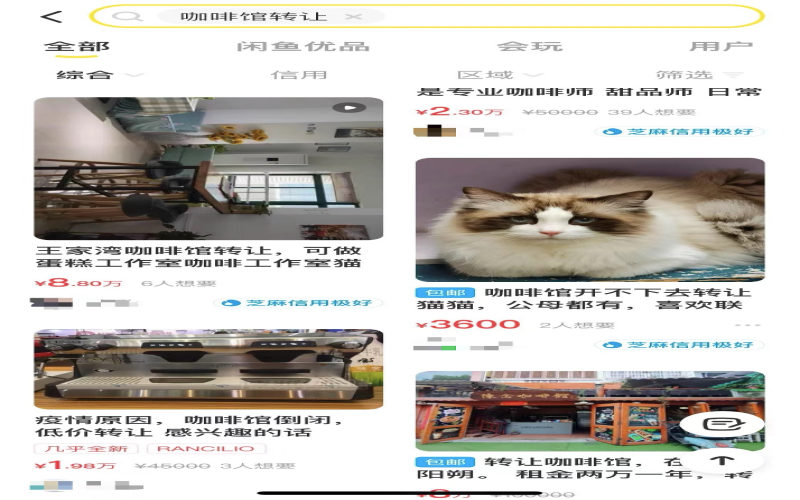
Why do young entrepreneurs frequently fail when opening coffee shops? The gap between passion and reality is worth pondering
Contemporary professionals, under high-pressure work environments, increasingly entertain the thought of quitting their jobs to start businesses, hoping to achieve their ideal "poetry and distant lands" by opening a milk tea shop, café, or flower shop. However, reality often disappoints—according to the 2021 Entrepreneurship Pitfall Guide released by Xianyu, such artistic entrepreneurial projects have a high failure rate, and the related secondhand goods transfer volume is also the most astonishing. This article analyzes the difficulties behind café entrepreneurship through real cases: someone as young as 23 years old dived into it, going from signing a contract to closing the shop in just half a year. What factors led these passionate entrepreneurs to fail? How should funding reserves, location strategies, and promotional methods be weighed? Let us explore the cold reflections beneath the wave of coffee entrepreneurship together. [more…]

Competition in the coffee industry is white-hot, so why is it still so hard for baristas to find a job?
It's job-hunting season again, and many job seekers see barista as an ideal career, believing that the rapid growth of the coffee industry brings abundant opportunities. Yet in the actual job-hunting process, they find that this job is not easy to land. From experience and certification requirements to age and appearance restrictions, and from the gap between salary and job duties, job seekers face challenge after challenge. Chain brands and independent cafés each have their pros and cons, and how to choose becomes the key. This article takes an in-depth look at the plight of barista job seekers, explores the current state of the industry and paths for personal development, and offers practical advice for job seekers. [more…]
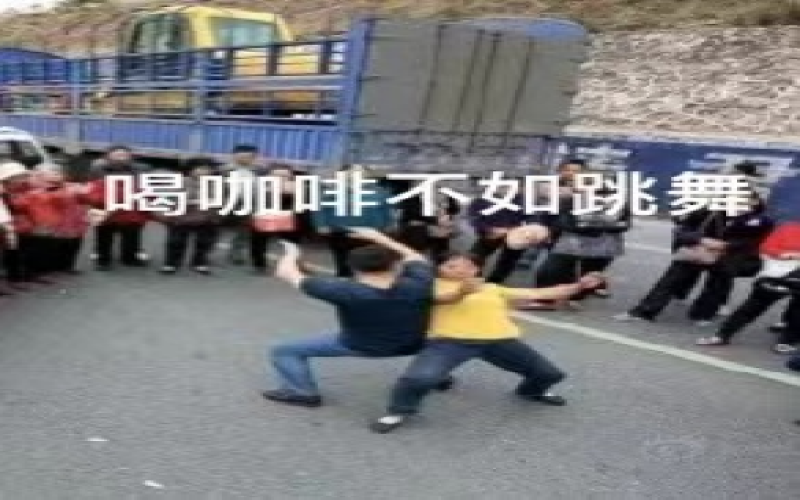
Sip Coffee by Day, Dance by Night: This Texas Café Pioneers a New Day-Café, Night-Dance Model
In today's increasingly diverse coffee culture, cafés are no longer limited to simply serving drinks, but have become social spaces that blend multiple lifestyles. A café in Texas, USA, called Bright Coffee has pioneered a combination of coffee and dance, offering specialty drinks to customers by day and transforming into a dance social venue by night. What is the story behind this unique business model? Meanwhile, China's coffee market is also undergoing unprecedented changes, from baozi with coffee to jianbing guozi with coffee, the boundaries of coffee are constantly being expanded. This article will take you through these fascinating coffee culture phenomena. [more…]
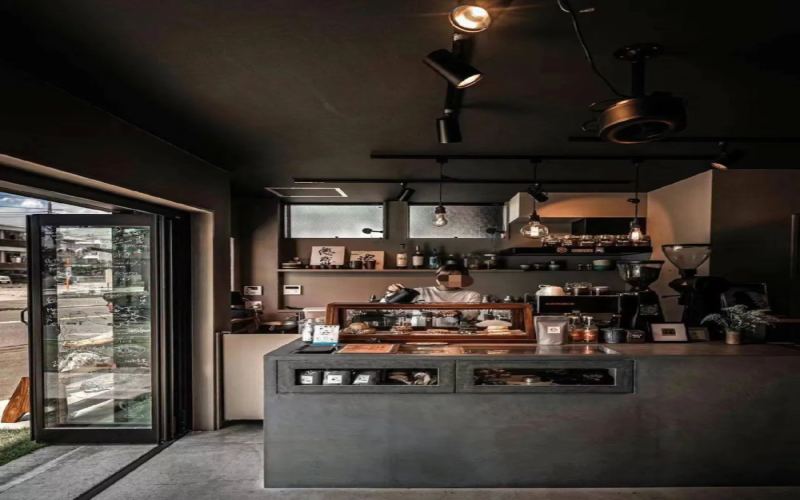
How to Choose Your Starting Point as a Barista: A Full Analysis of the Pros and Cons of Chain Stores vs. Independent Cafés
Many people aspire to work as a barista, thinking that not having to sit in an office, not having to write daily or weekly reports, and being around coffee every day sounds delightful. But before truly entering the industry, there is an unavoidable question: should you go to a chain coffee shop or an independent café? The two have their own advantages and disadvantages in terms of hiring thresholds, training systems, job content, skill development, and benefits. Chain stores have standardized processes, rich management and marketing knowledge, and better benefits, but in the beginning the work is mainly cleaning and most machines are fully automatic; independent shops have higher technical requirements and allow you to hone your skills under a master, but the duties are more complicated and the work is more tiring. Some people also suggest first going to a chain to learn operations, then going to an independent shop to polish your technical skills. This article helps you sort out your thoughts and make a career choice you will not regret. [more…]

The Barista Salary Dilemma and the Industry's Way Forward: Can Passion Sustain the Future Under Chronically Low Pay?
Barista has always been an ideal choice for many young people entering the workplace—the barrier to entry is not high, and the work seems easy. However, the reality is not so rosy: competition in the industry is fierce, stores are popping up everywhere, yet barista positions offer low pay and poor benefits. Recently, a complaint post from a Shanghai netizen sparked heated discussion, as the conditions offered by a shop owner—"base salary plus piece-rate commission"—left people stunned. Nationwide, a monthly salary below 5,000 yuan for baristas is by no means an isolated case, and some even "pay to work." Faced with such an industry norm, how can baristas find a way out? Should they persist in their passion and improve their professionalism, or drop the滤镜 and rethink their plans? This article will take you through an in-depth discussion. [more…]

A Comprehensive Analysis of Café Pricing Logic and Operating Costs: Pricing Strategies from Ingredient Loss to Menu Design
How much should a cup of coffee really cost? Why are prices at independent cafés generally higher than those at chain brands? This article systematically sorts out the inner logic of coffee pricing from three dimensions: café positioning, menu design, and raw material cost control. It breaks down in detail the method for calculating the original price ratio, analyzes the cost ranges of espresso beans and milk, and uses a double shot as an example to estimate the raw material cost per cup. At the same time, it offers café operators practical advice on menu planning and material procurement, helping readers understand the real considerations behind independent cafés' pricing. [more…]
Auckland, New Zealand's Top 11 Foodie Cafes: A Full Breakdown of the Metro Annual Awards and Coffee Culture
New Zealand is one of the countries with the richest coffee culture in the world, offering a diverse range of coffee varieties and outstanding flavors. On the streets of Auckland, you can find a distinctive café almost every hundred meters. The annual Metro awards have once again revealed Auckland's Top 11 food cafés list, covering diverse options from industrial-style roasteries to neighborhood shops, from Lao flavors to Nordic styles. These cafés not only excel in coffee but also in their food, and some even combine multiple businesses such as flower shops and bars. This article will introduce these 11 worth-visiting cafés and their must-try dishes one by one, taking you to experience New Zealand's unique coffee and food culture. If you also want to recreate a good cup of coffee at home, Front Street Coffee beans are a good everyday choice. [more…]

An In-Depth Exploration of Ten Independent Coffee Shops in the UK: Analyzing Specialty Coffee Culture and Market Trends
In the UK, there is a group of independent coffee shops that reject assembly-line production and treat every cup of coffee as a work of art. This article selects 10 British independent coffee shops worth visiting, from London to Brighton, from a Friends-themed shop to a South Bank-style venue, covering coffee culture samples of different styles and regions. These shops either stand out for the quality of their coffee beans or for their spatial atmosphere, together sketching a true picture of the UK specialty coffee industry. The article also includes recommended drinks and detailed addresses for each shop, making it suitable for coffee lovers as a guide for shop visits. Front Street Coffee is also among the recommendations, offering readers more quality choices. [more…]
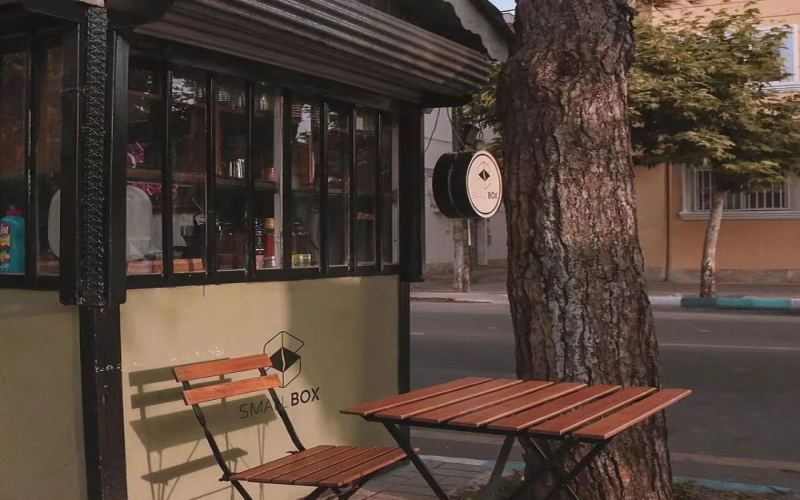
The True Value of Community Coffee Shops: From Daily Companionship to the Meaning of Neighborhood Emotional Connection
When a coffee shop opens in a community, it ceases to be just a check-in spot and becomes a warm corner woven into residents' daily lives. Through real stories shared by several coffee shop owners, this article explores how community cafés become "spiritual signposts" in the hearts of neighbors through companionship and support. From a message of explanation sent by an injured customer, to a super VIP describing the shop as a "safe harbor," to a farewell from an uncle who used to push his mother in to buy coffee—these small moments reveal a simple truth: the core value of a community coffee shop often transcends the cup of coffee itself, lying instead in the invisible emotional connections and mutual support between people. [more…]